Tutus and Transitions: Why Keeping Ballet in the Back-to-School Routine Matters
The start of the school year is a massive milestone for little ones. Whether they are stepping into preschool for the first time or moving up to “big kid” elementary classrooms, their daily routines are completely turned upside down.
When schedules get packed, it’s tempting to drop extracurriculars. But for young children ages 3 to 8, sticking with their weekly ballet class is one of the best ways to help them navigate all this newness.
Here is why keeping those tiny dancers in class matters so much right now.

The Ultimate Comfort Zone
For a 3- to 8-year-old, a new school year brings a lot of unknowns. They have to adjust to new teachers, unfamiliar school rules, and bigger crowds of kids. It can be a lot for a little mind to process.
Stepping into the ballet studio provides an immediate sigh of relief.
- Predictable Structure: Little kids thrive on routine. Hearing the same familiar music, practicing their favorite “butterfly stretches,” and seeing the warm, smiling face of their tutu teacher provides immense comfort.
- A Safe Harbor: In a world that suddenly feels very big and demanding, the dance studio is a familiar harbor where they already know the rules, know they are safe, and know how to succeed.
Burning Off “School Sitting” Energy
Transitioning to school means one major adjustment for young children: sitting still. After hours of trying their best to sit at desks or circle-time rugs, little bodies are practically bursting with pent-up energy by the afternoon.
Ballet gives them a structured, joyful way to release that energy. Instead of bouncing off the walls at home, they get to channel that power into leaps, gallops, and spins. It’s the perfect physical release that helps regulate their nervous systems after a long school day.

Building Brain Power Through Play
At this age, ballet isn’t just about perfect technique—it’s about cognitive growth disguised as magic. Continuing classes in the fall helps reinforce the very skills they need in their new classrooms:
- Focus and Listening: Following the teacher’s prompts to “freeze like a statue” or “march like a toy soldier” builds executive functioning skills.
- Gross Motor Milestones: Skipping, hopping on one foot, and crossing the midline during dance combos directly support brain development and coordination needed for school activities.
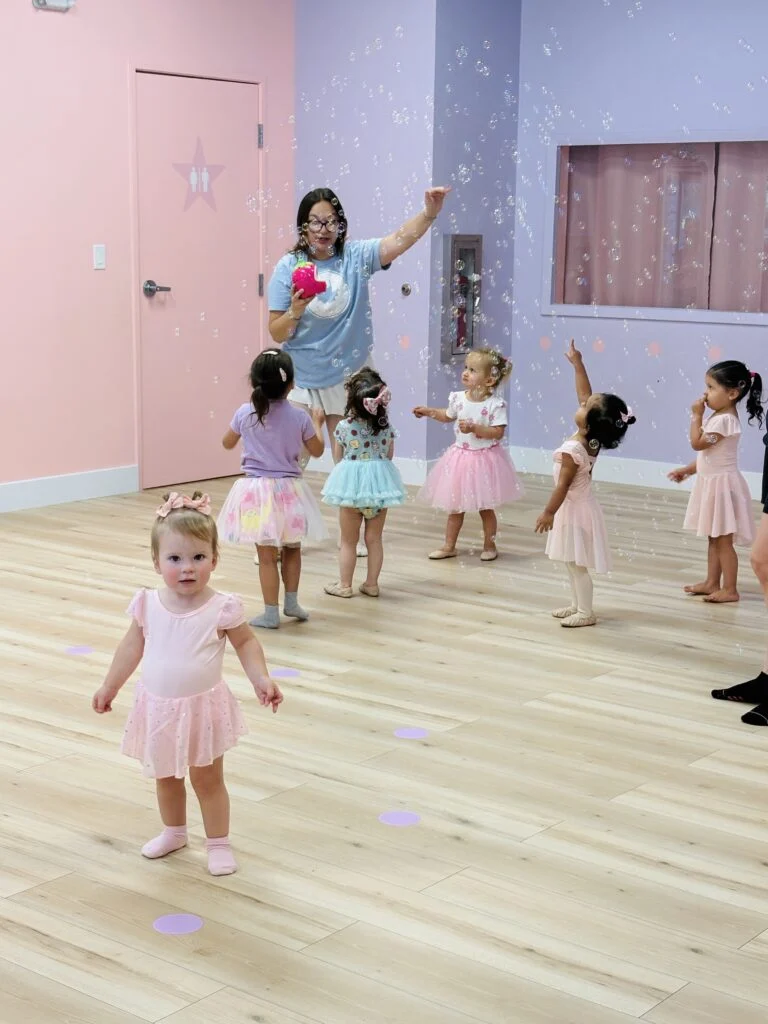
The Big Takeaway: Think of weekly ballet class not as another chore on the family calendar, but as an emotional anchor for your child. The stability of their dance family gives them the confidence to tackle the big, new world of school.
otras entradas que le pueden interesar


Boletín