Storytime Meets Studio: 5 Magical Dance Books for Little Movers
Storytime Meets Studio: 5 Magical Dance Books for Little Movers
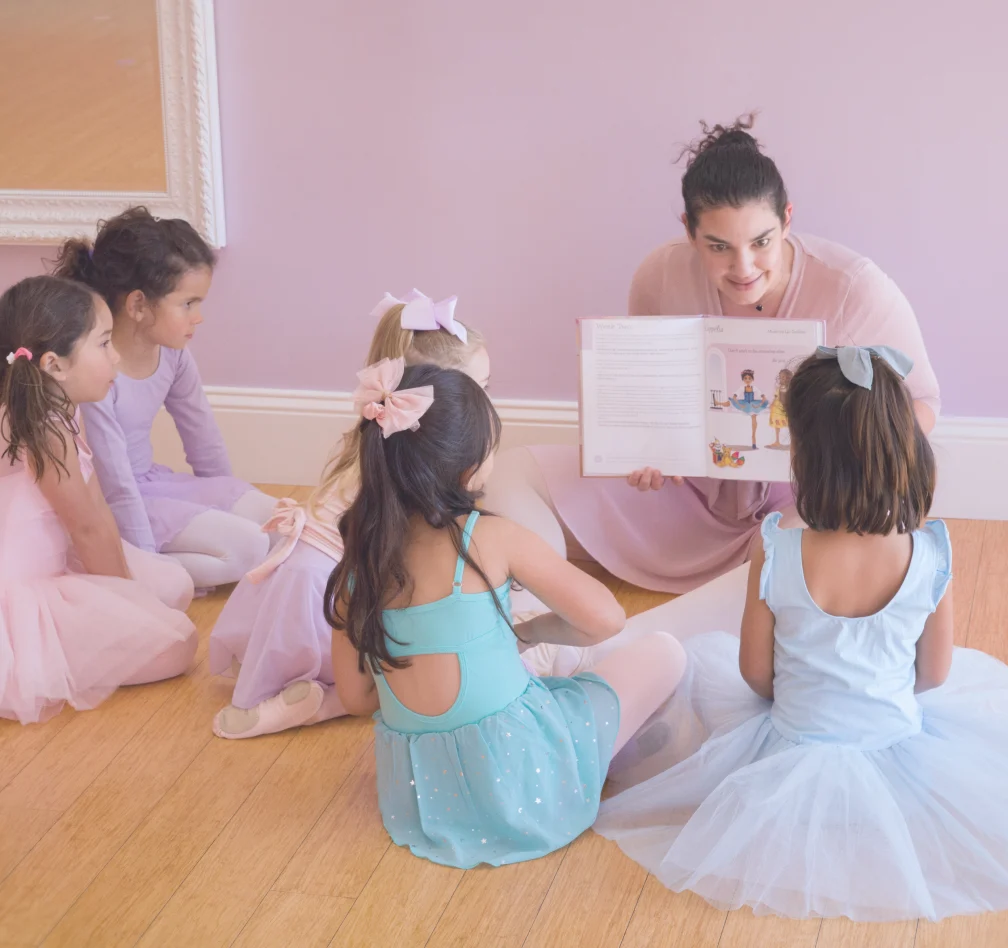
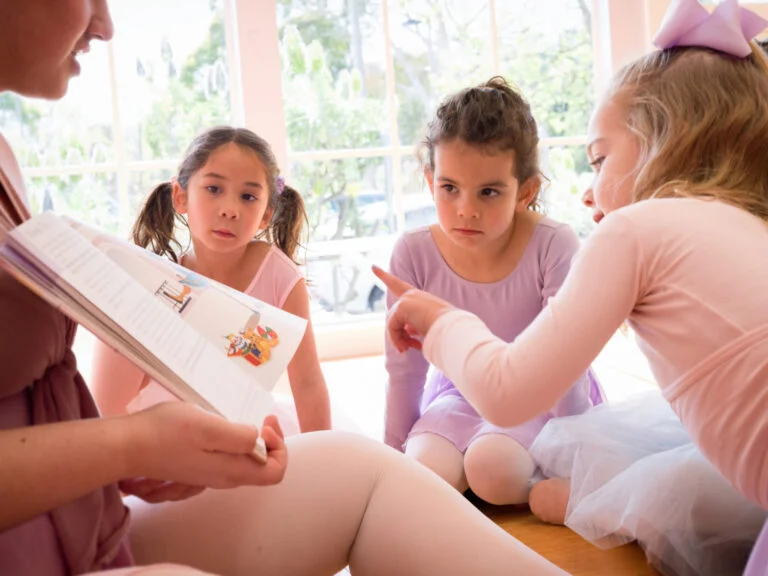
At Tutu School New Orleans, we know that storybooks and ballet go hand in hand. Every leap, turn, and twinkle-toe step in our studio begins with a tale—because when children connect with a story, movement suddenly becomes magical!
Combining early childhood literature with dance doesn’t just entertain young minds; it unlocks a whole new world of learning, creativity, and confidence. Here is a look at why dance books are so powerful for young children, what makes a dance book truly great, and five of our all-time favorite reads to share with your little twirler at home.
1. The Magic of Reading and Moving Combined
Literature plays a massive role in early childhood development. Reading aloud builds language skills, expands vocabulary, and strengthens emotional empathy. But when you add dance to the mix, magic happens!
- Brain + Body Connection: Linking physical movement to spoken words deepens comprehension. When a child reads about a character leaping and then leaps themselves, they build cognitive muscle memory.
- Sparking Imagination: Storybooks give children a creative framework. Instead of just practicing balance, a dance book transforms them into a bird taking flight or a flower blooming in spring.
- Whole-Child Literacy: Combining books and movement caters to kinesthetic learners—kids who process the world best through active, whole-body play.
2. What Makes a Dance Book Great?
Not all children’s books are created equal, especially when you want to get little legs moving! Here is what parents, dance educators, and early childhood experts look for in an engaging dance book:
- Vibrant, Dynamic Artwork: Illustrations should convey motion, rhythm, and emotion right off the page, making kids feel like the characters are dancing right beside them.
- Lyrical & Rhythmic Storytelling: Books with bouncy rhymes, repetitive refrains, or rhythmic tempos mimic the natural structure of music and dance.
- Relatable & Age-Appropriate Themes: The best books focus on joy, self-expression, patience, and trying your best—rather than perfection.
- Interactive Opportunities: Pages that invite children to mimic poses, turn interactive flaps, or call out sound effects keep young readers active and focused.
3. Top 5 Dance Books for Young Dancers
Here are five teacher-approved favorites guaranteed to inspire your child’s love for both reading and dance:
1. Giraffes Can’t Dance by Giles Andreae
- Target Age: 2 to 6 years
- Core Theme: Self-acceptance, individuality, and finding your own rhythm.
- Why We Recommend It: Gerald the Giraffe wants to dance, but his knobby knees and thin legs make him feel clumsy. With the help of a wise cricket, he discovers that “we all can dance when we find music that we love.”
- How It Inspires: It teaches children that everyone moves differently—and that confidence comes from dancing to your own beat.
2. Flora and the Flamingo by Molly Idle
- Target Age: 2 to 6 years
- Core Theme: Friendship, duet dancing, and perseverance.
- Why We Recommend It: This gorgeous, interactive flap book is almost entirely wordless. Flora tries to copy the graceful moves of a flamingo, leading to a hilarious and heartwarming ballet duet.
- How It Inspires: Because the story is told through illustrations, children learn to “read” body language and visual movement while interacting with the lift-the-flap pages.
3. Angelina Ballerina by Katharine Holabird
- Target Age: 3 to 7 years
- Core Theme: Passion, determination, and classic fairytale dance dreams.
- Why We Recommend It: Angelina is a little mouse with a big passion for ballet. She dances everywhere—in her bedroom, on the way to school, and even in her sleep!
- How It Inspires: A classic story that introduces young children to ballet routines, studio practice, and the pure excitement of performing.
4. Firebird by Misty Copeland (Illustrated by Christopher Myers)
- Target Age: 4 to 8 years
- Core Theme: Perseverance, mentorship, and reaching for the stars.
- Why We Recommend It: Written by groundbreaking principal ballerina Misty Copeland, this book pairs poetic text with breathtaking artwork to encourage a young dancer who doubts her own abilities.
- How It Inspires: It’s a powerful, uplifting reminder that with dedication and love for the art form, any child can soar like a firebird.
5. Tallulah’s Tutu by Marilyn Singer
- Target Age: 4 to 8 years
- Core Theme: Patience, practice, and loving dance for the right reasons.
- Why We Recommend It: Tallulah goes to her very first ballet class expecting to get a tutu immediately. When she learns she has to work for it, she realizes that the joy of dance isn’t about the outfit—it’s about the feeling in her heart.
- How It Inspires: Gently reminds young dancers that learning new skills takes time, and the real magic of dance comes from within.
4. How to Bring Storybook Dance into Your Daily Routine
You don’t need a formal stage to make reading interactive! Here are a few easy ways parents can combine books and movement at home:
- Pillow Fort Story Ballets: After reading a book, turn off the main lights, put on some soft classical music, and let your child act out their favorite page using a light scarf or ribbon wand.
- Active Storytime: Whenever a specific action word pops up in the book (like spin, leap, or stretch), have your child stand up and do that movement before turning the page!
- Bedtime Wind-Down Stretches: Use gentle storybooks during bedtime routines to guide slow, relaxing ballet stretches (like reaching up for bedtime stars or butterfly stretches on the floor).
- Dance Along with Us: Ask your child to teach you the moves their favorite book character tried in class today!
Every class at Tutu School New Orleans centers around classic fairytale ballet stories and creative movement. Click here to sign up for a FREE trial class at our Magazine Street studio!
otras entradas que le pueden interesar


Boletín