Ballet Basics, The Tutu Way: Why We Teach Ballet the Way We Do
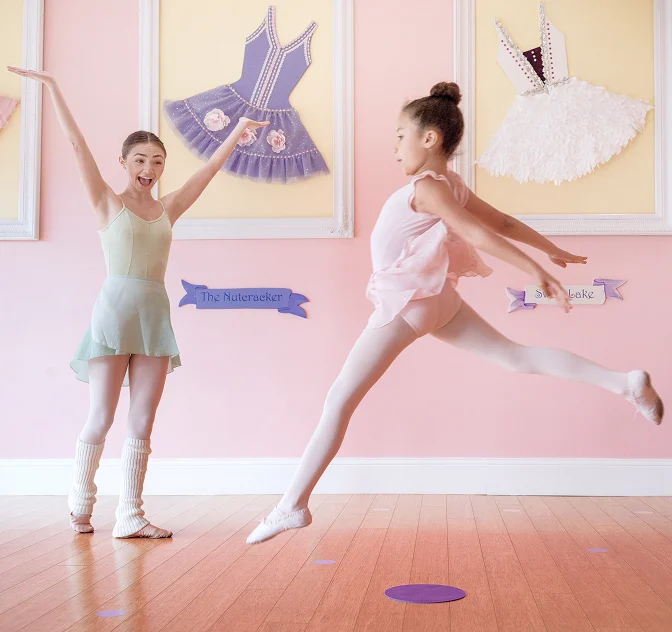
Peek through the window of a Tutu School class and you might see dancers pretending to float through a magical kingdom, practicing tiny jumps, listening closely to classical music, or proudly demonstrating a brand-new ballet step. To a child, much of it simply feels like fun. Behind the scenes, however, there is a great deal of intention guiding what happens in the classroom.
From the beginning, Tutu School was created around the belief that young children deserve ballet instruction that is rooted in the art form while also being designed specifically for the way they learn. That means age-appropriate lessons brought to life through storytelling, imagination, and care.
Real Ballet, Made Meaningful for Young Dancers
The whimsy of a Tutu School classroom doesn’t replace ballet technique. It helps young dancers connect with it.
Students are introduced to age-appropriate ballet vocabulary, positions, movements, musical concepts, and traditions, with those foundations developing as dancers grow. Rather than rushing children through a checklist of skills, our approach gives them time to encounter important concepts repeatedly and build familiarity, confidence, and ability over time.
A movement first introduced through imagination can gradually become something a dancer recognizes by name and eventually performs with greater technical understanding. That progression allows us to respect the foundations of classical ballet without asking young children to learn like miniature adults.
Why Imagination Belongs in Ballet Class
Storytelling has always been an important part of the Tutu School experience because imagination is one of the most natural ways young children explore and understand their world.
When a teacher turns a movement across the floor into an adventure or connects a ballet step to a familiar image, the goal isn’t simply to entertain the class. Those imaginative prompts can give children a way to understand movement before they’re ready for a more technical explanation. Ballet stories can also introduce dancers to classical music, characters, traditions, and the larger world of the art form.
In that sense, the magic families see in class has a very real purpose. We’re creating a bridge between the technical language of ballet and the language young children already understand: movement, play, stories, and imagination.
Building Skills Through Familiarity
Repetition is another important part of the way young children learn, and our class structure embraces it. Familiar routines help dancers know what to expect, become more comfortable in the studio, and gradually participate with greater independence.
That doesn’t mean every class needs to feel exactly the same. One of the wonderful things about combining structure with imagination is that familiar skills can take on new life. The same movement might appear in a different story or imaginative adventure, allowing children to practice important concepts again and again while keeping the experience engaging.
Over time, those seemingly small moments of repetition add up. Dancers begin recognizing ballet vocabulary, anticipating parts of class, responding to music, remembering movements, and developing the coordination and confidence to do more on their own.
Developing a Relationship With Music and Movement
Classical music is also an intentional part of the Tutu School experience. Rather than simply serving as background music, it becomes another way for children to explore ballet and begin developing an appreciation for the arts.
Through repeated exposure, dancers hear different rhythms, tempos, moods, and pieces of music. Over time, what was once unfamiliar begins to feel recognizable. There is something special about hearing a child encounter a piece of classical music outside the studio and proudly announce, “We dance to that at Tutu School!”
Ballet class can certainly help develop balance, coordination, musicality, spatial awareness, and foundational technique, but it can also begin a lifelong relationship with movement, music, creativity, and artistic expression.
The Teacher Behind the Magic
A thoughtful curriculum can only come to life through thoughtful teaching, which is why Tutu Teachers are such an essential part of the experience.
Teaching young children requires a particular combination of ballet knowledge, creativity, patience, energy, and care. A Tutu Teacher is constantly observing what’s happening in the room and adjusting accordingly. They may encourage a child who isn’t ready to participate yet, find another way to describe a movement, use imagination to help a dancer reconnect with the lesson, or recognize that a seemingly small moment is actually an important milestone.
That understanding also shapes how we think about progress. Of course, we celebrate when dancers learn new steps and strengthen their technique. But progress might also mean remembering ballet vocabulary, participating for an entire class, becoming comfortable separating from a grown-up, listening more independently, or finding the confidence to finally try something new.
For young children, all of those experiences matter.
Ballet That Respects the Art Form and Childhood
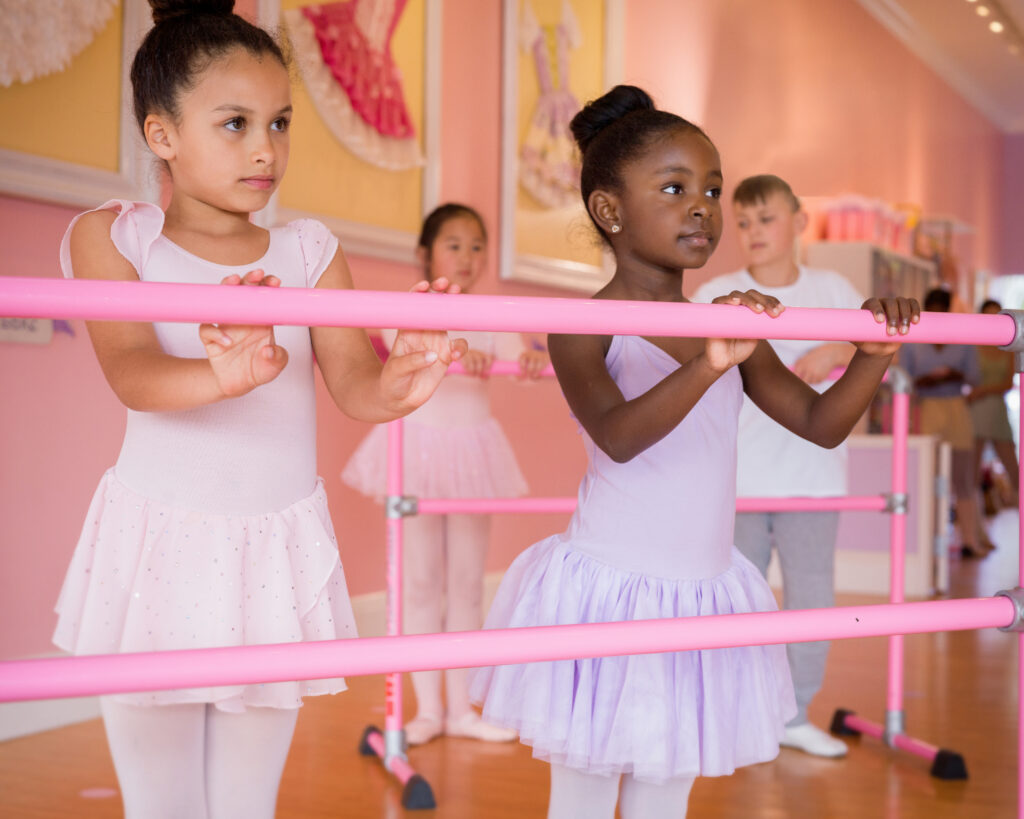
The story of Tutu School began with the idea that children’s ballet education could be approached differently. We could respect the traditions, technique, music, and beauty of classical ballet while respecting childhood just as much.
That philosophy continues in Tutu School classrooms today, where age-appropriate teaching, imagination, storytelling, music, repetition, and meaningful relationships all work together to create spaces where magic, confidence, and a love of ballet can grow.
So while families will certainly see pliés, ballet vocabulary, classical music, and developing technique, they’ll also see stories, laughter, creativity, and discovery. Those things aren’t competing with one another. Together, they’re what allow a child’s first experience with ballet to be both meaningful and joyful.
At Tutu School, joy isn’t separate from learning ballet. It’s part of how we teach it.
otras entradas que le pueden interesar


Boletín