Building Strong Foundations: Why Tutu School Students Don’t Wear Pointe Shoes
Pointe Shoes and Their Popularity
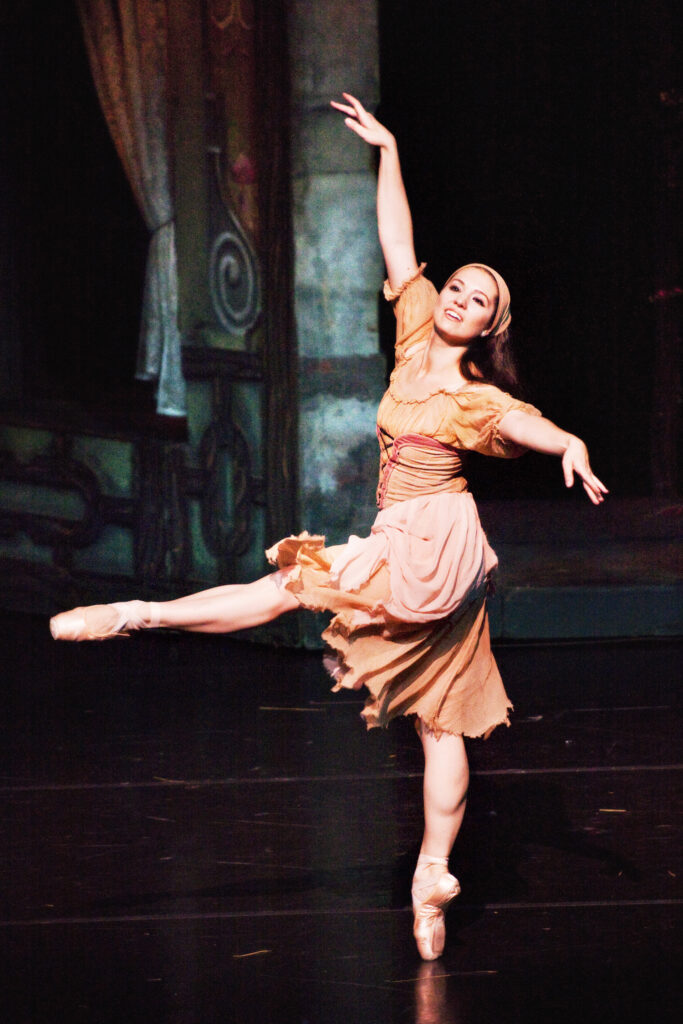
One of the most iconic and greatly adored facets of ballet is pointe shoes. These shoes are worn by dancers in every professional ballet company worldwide and have become a staple of modern ballet.
Marie Taglioni (1832) is widely credited with popularizing the act of dancing en pointe, and her performance in the ballet La Sylphide became a sensation for its use of the new shoes.
Why no Pointe?
One may reasonably associate pointe-work with ballet, and they would be right to do so. Pointe is one of the greatest milestones within ballet and it is central to every classical ballet performance, but if all of this is true, why does Tutu School not offer pointe?
Developmental Milestones
The greatest reason that Tutu School does not offer pointe classes is because Tutu School only offers classes for six-months to eight year olds. It is highly recommended that children under the age of twelve should not participate in pointe-work. Unfortunately, it is not uncommon to find videos online of children much younger than twelve in pointe shoes; however this is highly discouraged by the ballet community and medical professionals.
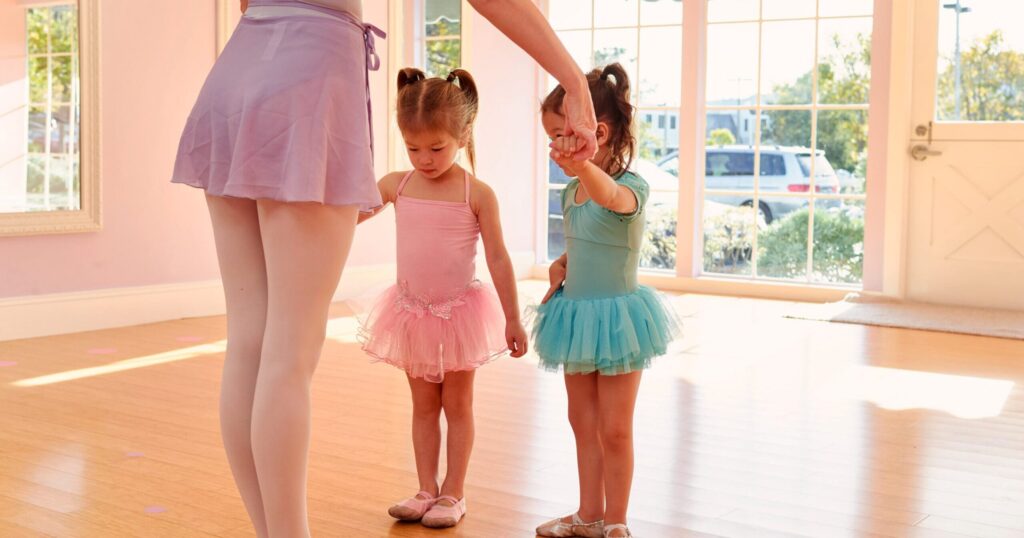
Children need to reach certain developmental and strength milestones to be considered prepared for pointe. Many reasons as to why children should not participate before twelve include:
Bone Growth and Development: Pointe work has the potential to damage growth plates by causing stress onto the bones and joints of the feet. This is especially an issue for young children whose feet are growing at very fast rates.
Stability and Strength: Young dancers often lack the stability and strength necessary to support their body weight on their toes. This could lead to serious injuries, as these children may easily twist, sprain, or even fracture their ankles. Every child is different, but before the age of twelve, most children do not have the proper muscular strength to support pointe-work in a safe manner.
Balance and Coordination: Proprioception (the body’s sense of balance and spatial awareness) continues developing through childhood. Pointe work requires advanced balance skills that younger children are still building.
How Tutu School Makes Going En Pointe Possible in a Safe Way
Tutu School delicately crafts and fosters the skills and development required for children to take their next step in their ballet career.
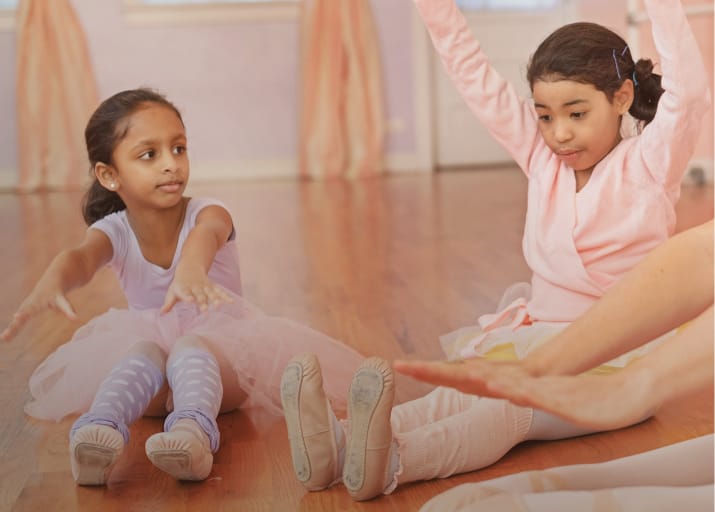
Tutu School is patient and gentle with children and their personal ballet journey. Our classes emphasize building a foundation of proper and safe ballet technique, structure, and practices. We strive to teach students the skills required for them to achieve all their dreams in ballet, while still creating an atmosphere that is fun and exciting.
Pointe-work begins with the basics. Tutu School includes many activities within our ballet curriculum that strengthen our students ankles and feet, preventing injuries and encouraging greater stability. By taking ballet classes, children are also improving their motor control and balance. These are all essential to the foundation of pointe-work.
Don’t be Discouraged!
Being on pointe is an honor and testament to a dancer’s hard work and dedication. Tutu School is here to prepare students for this incredible feat, and our family will be there to cheer on our graduated dancers as they take their first steps on pointe.
otras entradas que le pueden interesar


Boletín